How Custom Grip Socks Are Made | Design & Sampling Guide
Learn how custom grip socks are made, from sock design and yarn selection to silicone grip patterns, logo customization, sampling, and production.
How Custom Grip Socks Are Made: From Sock Design to Silicone Sole Patterns
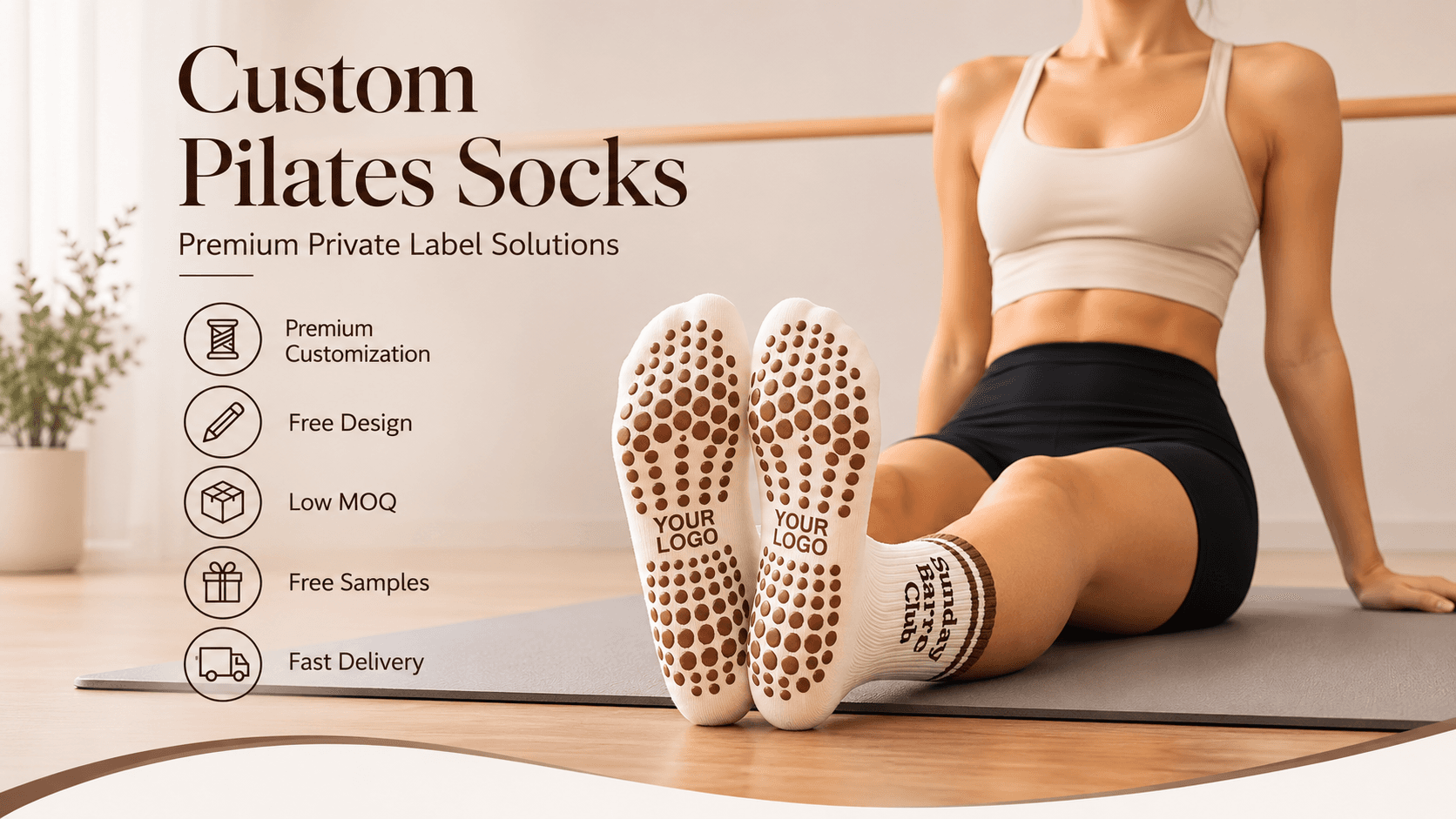
A custom grip sock is more than a regular sock with dots underneath. Its knitted structure, fit, branding, and silicone layout have to work together as one product. That matters whether you're creating socks for a Pilates studio, a yoga collection, or a private-label retail brand.
The key question is which details must be specified, sampled, and approved before production. This guide covers those development decisions.
At Zhuji Dingfeng, we can customize silicone dot layouts on sock soles from a design. The final pattern, placement, and compatible sock style are confirmed through design review and sampling. This is a statement about customization capability—not a promise of a particular friction rating or wash-life result.
1. Design the knitted sock and the silicone sole together
Begin with two views of the same product: an illustration of the sock itself and a separate drawing of the sole. A side view may communicate the aesthetic, but it rarely shows enough detail to plan silicone placement.
Specify sock height, colors, sizes, branding, and knit texture. Show the proposed silicone pattern, its boundaries, and areas left uncovered.
A Pilates design might propose smaller, denser heart-shaped elements near the heel and forefoot. This is a sampling request, not a guarantee that every size or spacing is feasible.
Think in zones, not just decorative patterns
A sole drawing is easier to evaluate when it identifies zones such as the heel, forefoot, and midfoot. Within each zone, specify whether the intended pattern should be denser, more open, or deliberately free of silicone.
Layouts may be uniform or irregular. Pattern coverage and verified anti-slip performance are separate questions; claims of superior grip require testing.
Check placement on the finished sample, not just on screen.
2. Select yarns and knit structures for the intended fit
Material descriptions can be confusing in custom sock inquiries. Combed cotton, mercerized cotton, and cotton-modal blends are not interchangeable terms. The actual fiber composition and percentages should come from the agreed yarn specification, not a formula copied from another product.
Specify your desired hand feel, stretch, heel fit, and breathability. These are development objectives for yarn and construction sampling.
Different areas of a sock may call for different knit structures. Plain knit, terry, mesh, and rib can be considered for specific regions, but the combinations and their boundaries depend on the sock style and knitting equipment. Not every machine can produce every arrangement in every position.
Balance coverage, thickness, and feel
Review fabric feel, how the sock stays positioned during movement, and toe space—not just the sole pattern.
If you request a terry section, a ribbed arch, or additional knit texture, mark the location on the drawing. The sample will show whether those elements work together comfortably. Do not assume that thicker fabric automatically creates more grip or that a tighter structure always improves fit.
3. Build a silicone pattern that can be evaluated on a real sample
Show shape, distribution, placement, and clear areas. Label which elements are essential and which can change after sampling.
Separate detailed logos from surrounding dots; fine text may require a feasibility check.
Our factory can discuss customized silicone layouts, but the information currently confirmed does not establish universal minimum dot sizes, spacing rules, placement tolerances, or logo dimensions. These should be assessed for the particular design and sock style rather than copied into every quotation.
What the factory and buyer should check
Use the physical sample to answer questions that a digital drawing cannot settle:
Does the silicone pattern appear in the intended heel, forefoot, and midfoot zones?
Are the boundaries, logo, and decorative details recognizable?
Does the sock change shape when stretched onto a foot, affecting the apparent layout?
Are there visible defects or areas that need a revised application pattern?
Does the sample match the approved color and knitted design?
These are visual and construction checks. If your purchase order also specifies friction, silicone adhesion, or durability after laundering, agree on the test method, conditions, and pass/fail criteria separately. A good-looking sole sample alone cannot establish those results.
4. Prepare logos and colors for knitted production
If a design includes knitted branding, the artwork has to be translated into data compatible with the intended sock knitting machine. Design colors correspond to yarn-feed choices, and the specific software, file format, and equipment capabilities require confirmation.
This is why a detailed logo may look different when knitted. The structure and stretch of the fabric affect outlines, curves, and small text. Evaluate the knitted result on the actual sample. If important lettering is not legible, the design may need simplification, resizing, or a different placement.
Provide a shade card, color reference, yarn photo, or physical sample. Stock yarn may be close to your artwork's color, not identical. Photos cannot prove exact Pantone matching or batch consistency.
Approve the selected color reference before production under the agreed process. If a precise shade is critical, discuss whether a physical sample or additional color approval is needed.
5. Check sizing, heel shape, and toe construction
Grip socks stretch, so a shoe size alone may not communicate everything the factory needs for development. Agree on the intended wearer and size range, then confirm which sock measurements will be checked on the sample. For example, you may want to review foot length, leg opening, heel placement, or strap fit if the design includes straps.
Specify which dimensions matter and what sample changes you'll accept. Size charts and tolerances are order-specific.
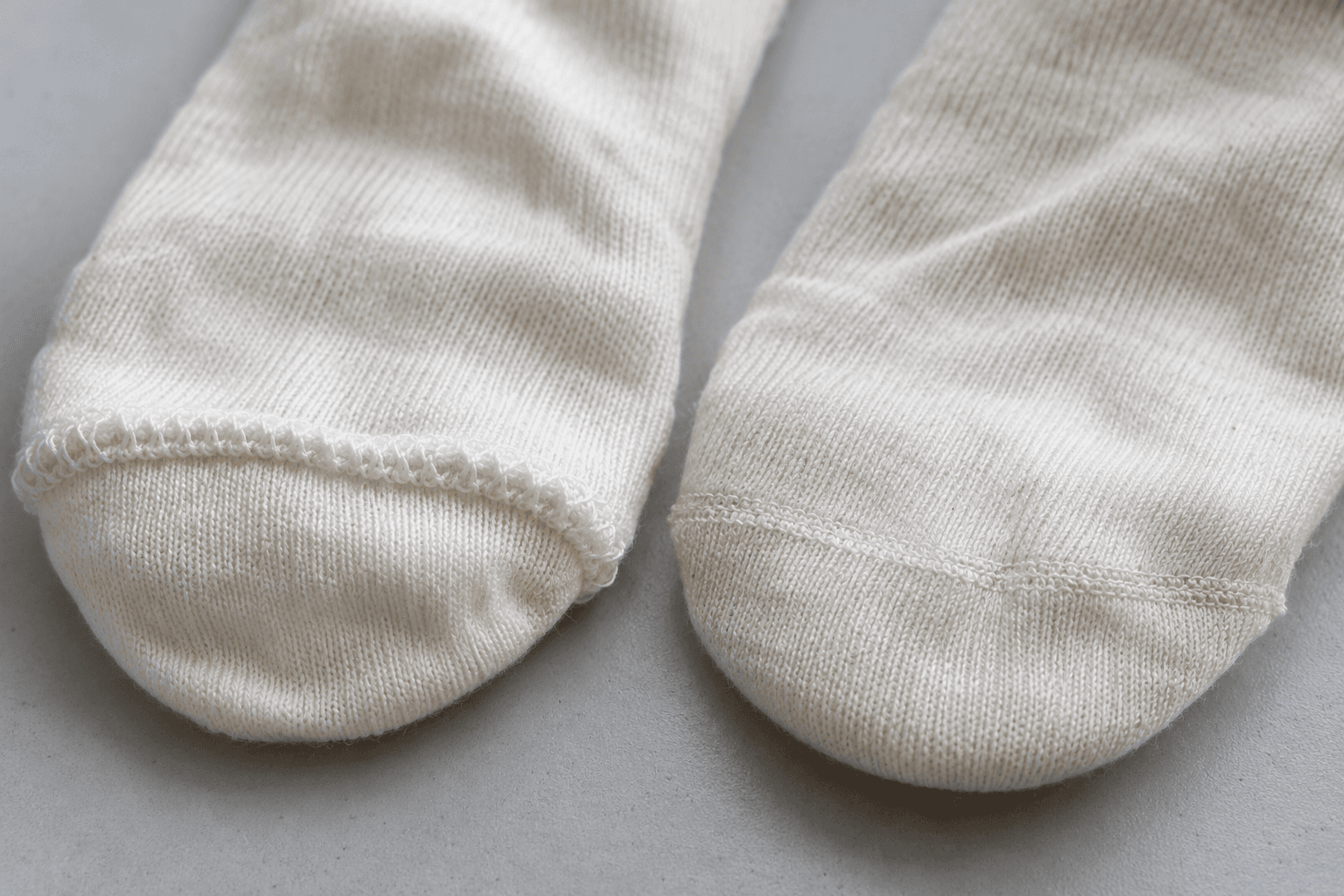
Toe construction matters as well. Different seaming or linking methods can close the toe. If your brief says “seamless toe,” explain whether you mean a less noticeable join, a smoother feel, or both. The term does not prove that the fabric has no joining structure. Check the finished sample before final approval.
6. Understand the production stages—without assuming one fixed process
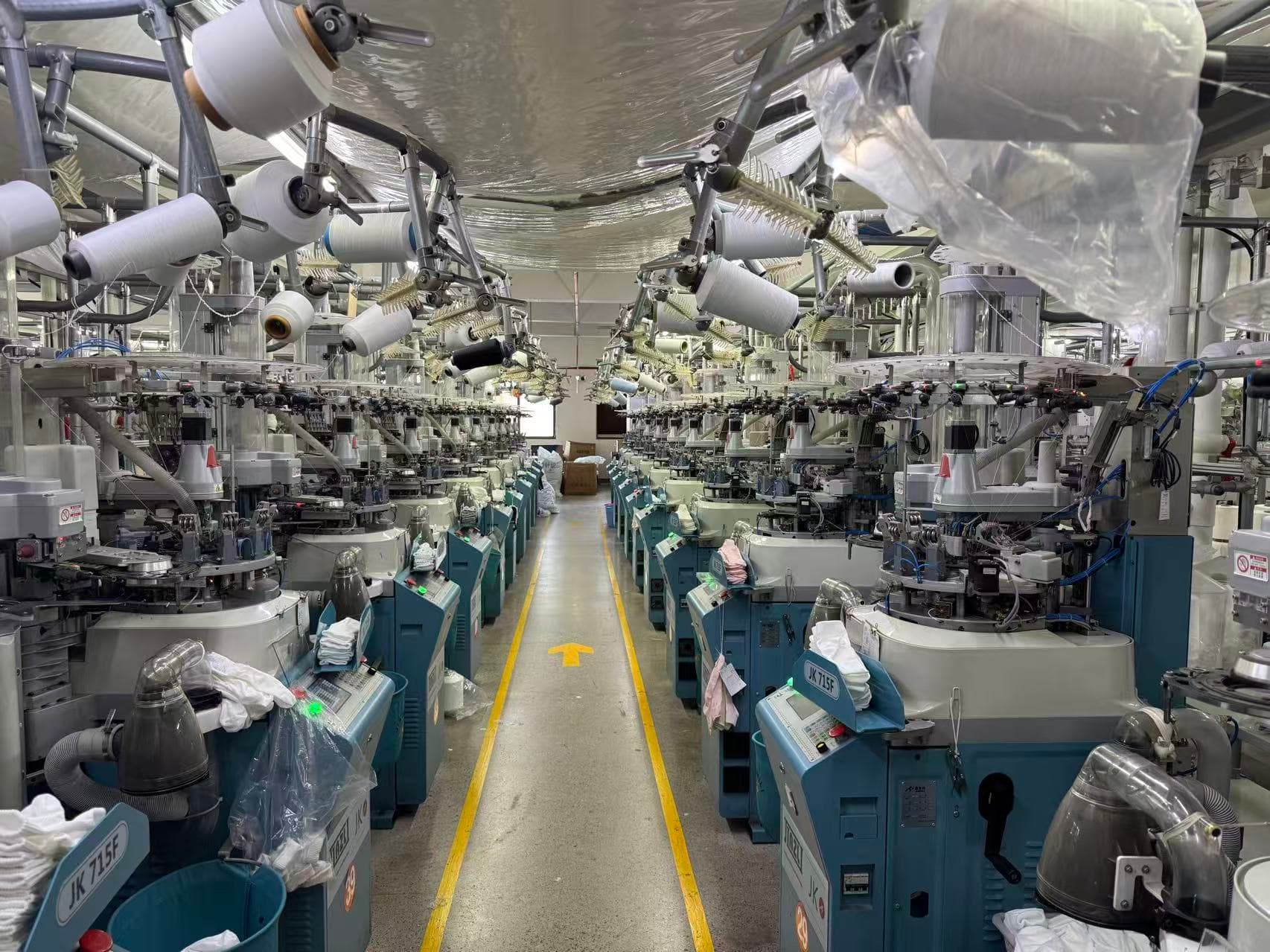
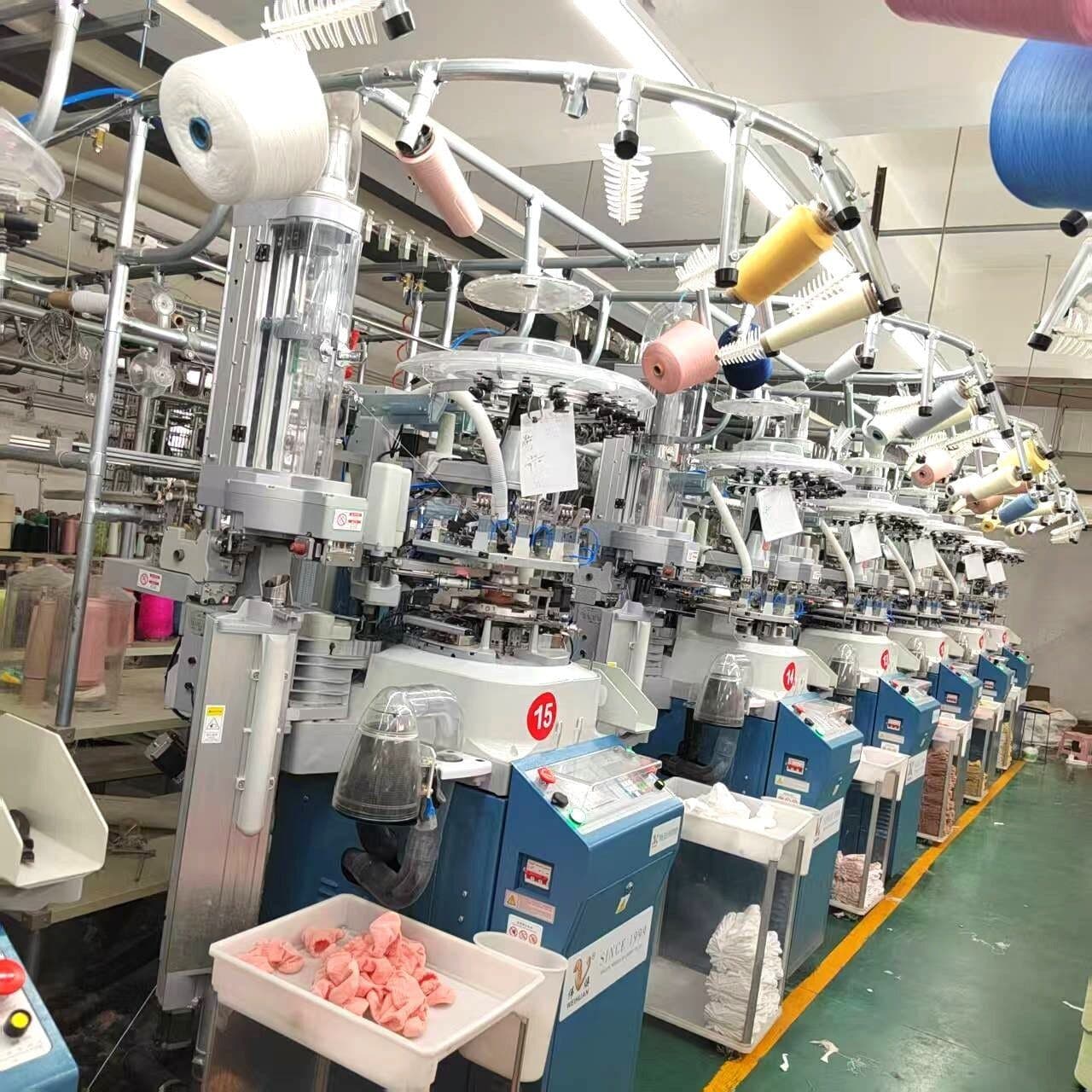
For planning purposes, a custom sock order can be discussed in stages: design confirmation, yarn selection, knitting, toe closure, shaping or boarding, pairing, and packing. The order and inclusion of these steps can vary by product.
A grip sock also requires a silicone application stage. The specific application method, equipment, curing or setting conditions, and inspection points are not established by our current knowledge records. Those details should be confirmed against the proposed style rather than presented here as a fixed factory procedure.
Connect the knitted construction to the silicone layout, and record revisions to artwork, yarn, dimensions, or pattern.
7. Approve a sample before a larger order
A sample review should identify checked attributes and open revisions. Use this table as a development brief.
| Item to approve | What to specify or inspect |
|---|---|
| Sock style and size | Intended wearer, size range, agreed sample measurements |
| Yarn and color | Proposed fiber composition, selected shade reference |
| Knitted construction | Plain, terry, mesh, or rib areas where applicable |
| Branding | Logo position, clarity, and appearance after knitting |
| Silicone layout | Sole zones, pattern boundaries, shapes, and clear areas |
| Toe and heel | Joining method, feel, and placement on the sample |
| Performance requirements | Any agreed test methods and acceptance criteria, if required |
| Final approval | Sample version, requested corrections, and buyer confirmation |
This is a suggested review format, not a claim that every factory uses this exact checklist or has a particular tracking system.
Once the design is approved, discuss packaging and order details. Hang tags, bands, bags, and boxes are possible packaging formats to explore, but material, pricing, attachment method, and minimum quantities need quotation for the specific order.
What to send when requesting a custom grip sock sample
Clear reference images or a PDF can start a feasibility review. Add a sole drawing or physical sample if available.
A practical inquiry can contain:
Sock reference images and a description of the intended product.
Required sizes or your target size range.
Preferred yarn, colors, and any relevant color references.
Separate silicone sole artwork showing zones and shapes.
Logo or branding placement, if applicable.
Target order quantity, packaging preferences, and delivery destination.
The manufacturer can then assess feasibility and quote the particular order.
Frequently asked questions
Can you customize heart-shaped silicone grips?
You can submit heart-shaped artwork, including proposed smaller or denser zones. The exact shapes, spacing, and placement require design and sample confirmation; they should not be assumed feasible at every scale.
Can the silicone cover the heel and forefoot?
You can request coverage in both zones. Supply a sole drawing so the proposed boundaries can be reviewed on the selected sock style. The amount of coverage does not by itself prove a particular grip rating.
What is the best material for custom Pilates grip socks?
There is no single blend established by this guide as best for every Pilates sock. Choose a proposed yarn specification based on your desired fit, hand feel, and construction, and check it on a sample before approving a fiber-content label.
Can I use a knitted logo on custom grip socks?
Knitted branding can be evaluated with the target machine and yarn feeds. Simple, legible artwork is easier to assess than intricate details; the finished knitted sample should determine whether the logo needs adjustment.
How do you verify that grip socks are non-slip or wash durable?
Visual checks cannot verify these performance claims. Where the order requires measured slip resistance, adhesion, or wash durability, agree on a suitable test and acceptance criteria. We do not state a universal grip rating or guaranteed number of washes without supporting results.
Develop your custom grip sock sample with Zhuji Dingfeng
Custom grip sock development works best when the sock itself and the silicone sole artwork are reviewed together. Clear drawings, realistic fit requirements, and an agreed sample checklist reduce uncertainty before a production order.
Planning a Pilates, yoga, or private-label grip sock collection? Send your design images, size requirements, proposed silicone pattern, and estimated quantities to [email protected]. Our team can review the concept and discuss the information needed for sampling and a tailored quotation.
Topics
- custom grip socks
- custom Pilates grip socks
- silicone grip socks
- custom non slip socks
- grip sock manufacturer